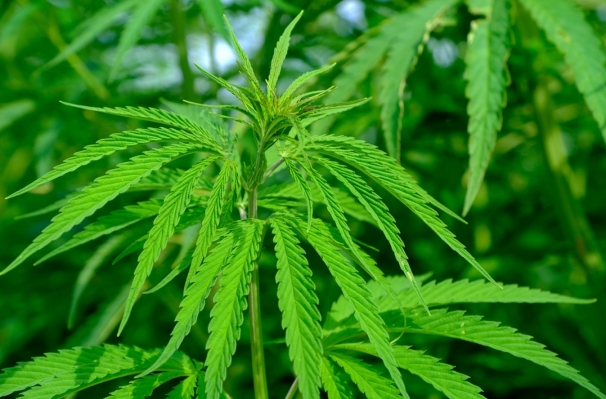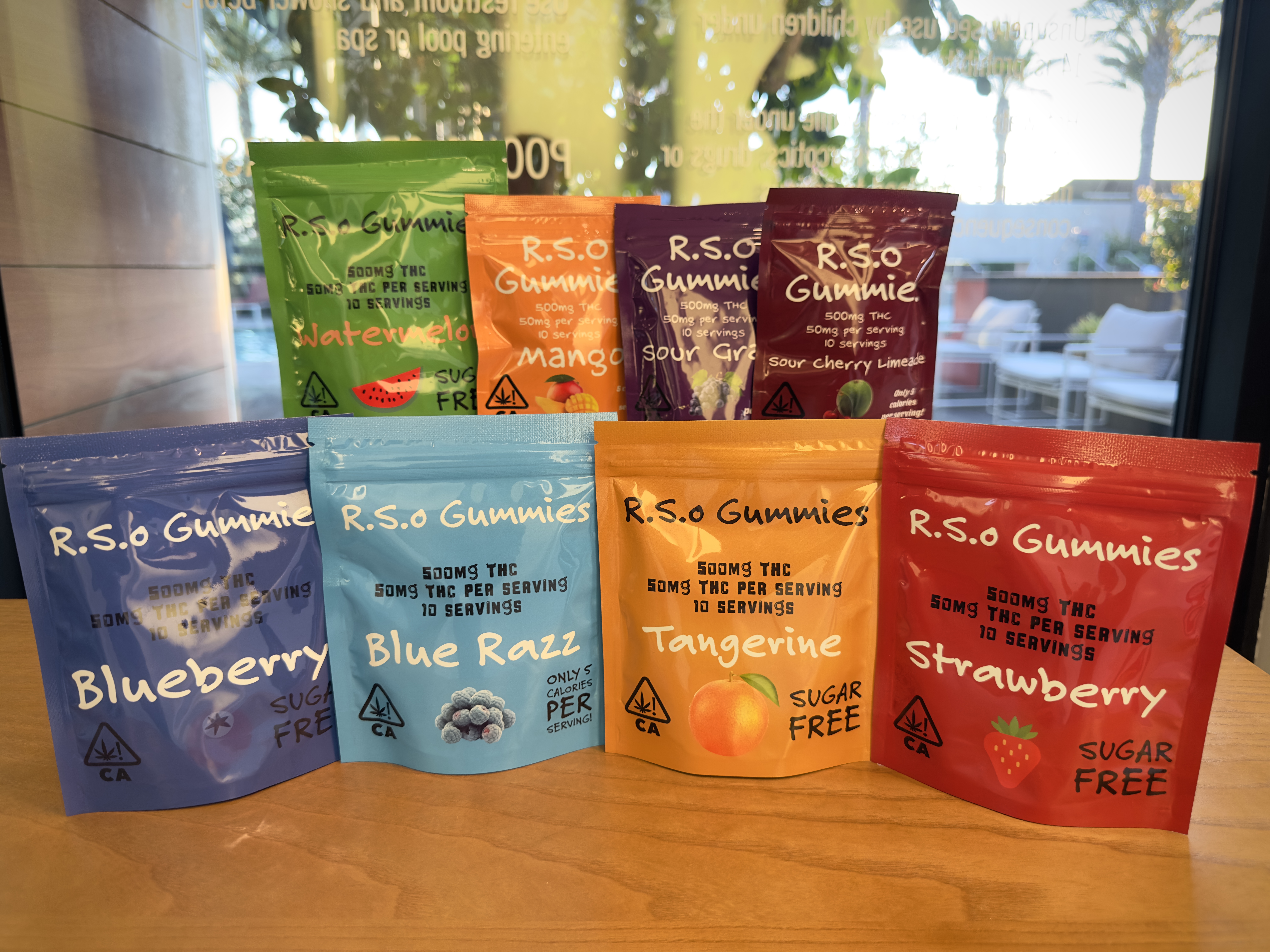
While Rick Simpson Oil (RSO) is most commonly known for its anti-cancer properties in humans, it also has many of the same benefits for dogs.
In fact, many of our customers use RSO with their pets for cancer, pain, and other uses.
In this article, we’ll discuss the potential benefits of RSO for dogs and give our recommendations for using it with your furry friend.

What is RSO?
Rick Simpson Oil (RSO) is a highly concentrated form of cannabis extract known for its high THC content and potential therapeutic benefits. RSO was developed by Rick Simpson, a Canadian medical cannabis advocate who used the extract to treat his skin cancer.
Unlike some cannabis concentrates, RSO is a full-spectrum extract, meaning it retains all the naturally-occurring cannabinoids, terpenes, and plant compounds, maximizing the potential therapeutic effects you receive.
Due to its high THC concentration, RSO is known for its potent psychoactive effects and is primarily used for medicinal purposes.
Can You Give RSO to Dogs?
Yes, you can give RSO to dogs. RSO is a cannabis extract with many therapeutic benefits for dogs, including for cancer treatment and physical discomfort.
However, given that RSO is high in THC, you’ll want to start your dog out on very small doses of it to ensure they experience the beneficial aspects of it without the side effects.
Our own Andrew Murphy, DVM, explains, “although RSO has been publicized in recent years for its anti-cancer properties in human studies, we’re starting to find that the same benefit may apply to pets as well.”
As the official Rick Simpson Oil website, we’ve seen an increase in the amount of customers who ask about RSO for their pets as an alternative to traditional cancer treatments. Many of our customers are using it with their dogs, and with great success.
Potential Benefits of RSO for Dogs
Research has found RSO has the following benefits in humans, which anecdotal evidence suggests also apply to dogs:
- Cancer: Preliminary research has indicated that cannabinoids may have potential anti-cancer properties, including the ability to induce apoptosis (programmed cell death) in cancer cells and inhibit tumor growth in animal models [1]. Given RSO’s high THC and CBD concentration, it may offer these benefits. However, further clinical research on this is needed to confirm these findings.
- Cancer Symptom Management: Preliminary research suggests that THC, CBD, and other cannabinoids found in RSO may have therapeutic benefits for cancer symptoms such as pain, nausea, and appetite loss [2]. THC has been studied for its potential to reduce chemotherapy-induced nausea and vomiting. However, more studies on the ability of RSO to address cancer symptoms is needed.
- Pain and Inflammation: Research suggests THC and other cannabinoids may have analgesic (pain-reducing) and anti-inflammatory properties [3,4]. Cannabinoids may work by interacting with your body’s endocannabinoid system, which regulates pain perception. Given the high concentration of THC and other cannabinoids RSO provides, it may offer these benefits. However, more studies on RSO are needed.
How Does RSO Work in Dogs?
Dogs, like humans, have an endocannabinoid system (ECS) that helps regulate their vital functions, including pain and inflammatory response, appetite, mood, and immune response.
The primary types of receptors found in the ECS are the CB1 and CB2 receptors. Cannabinoids interact with these receptors to produce various benefits.
THC, found in high concentrations in RSO, binds strongly to CB1 receptors in the brain and nervous system (and CB2 receptors, but to a lesser extent), producing both mental and physical benefits in dogs, including the suppression of certain processes that lead to the growth of cancer cells.
CBD, also present in RSO, doesn’t tend to bind strongly to the CB1 or CB2 receptors, but instead provides general support to this bodily system that results in mental and physical benefits, but milder mental effects.
By interacting with the ECS, the cannabinoids in RSO render benefits for cancer treatment, physical discomfort management, and more in dogs.
Types of RSO Products for Dogs
While there are many different RSO delivery methods available, these are the best for use with dogs:
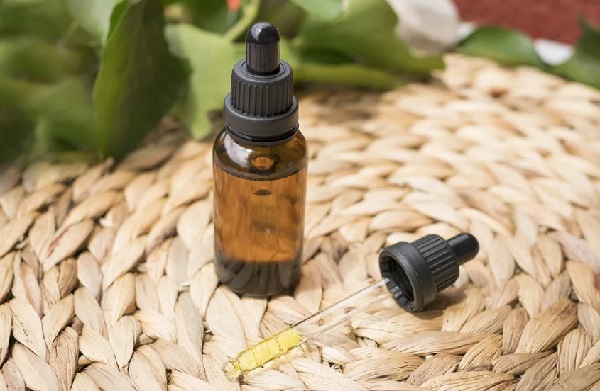
- RSO Tinctures: The number one RSO product we recommend to pet parents for their dogs is our Original Formula RSO tincture. RSO tinctures are a liquid form of Rick Simpson Oil mixed with a carrier oil, making them easier to dose and absorb. You can administer tinctures to your dog by mixing them with their food.
- RSO Suppositories: RSO suppositories are designed for rectal use, allowing for rapid absorption of cannabinoids without the psychoactive intensity of oral ingestion, and they can be administered to dogs by this same route. Suppositories bypass digestion, delivering high bioavailability and targeted therapeutic effects.
How to Use RSO With Dogs
Follow these directions to see the best results with RSO for your dog.
Dosage
Our RSO dosage recommendations for dogs differ from our RSO protocol for humans, given RSO’s high THC concentration.
We recommend RSO tinctures for dogs over other types of products because they aren’t as potent as pure RSO oil and allow for easy dosing control.
You can start by giving your dog 3-6 drops of RSO tincture, 2-3 times a day, and then increasing that dose every week.
There is a wide variation with dosage to account for your pet’s weight, so for smaller pets it’s ideal to start more conservatively to see how they respond. If they are fine, then keep increasing the dosage.
Timing
You can space your dog’s RSO doses evenly throughout the day (e.g. 2-3 drops in the morning, 2-3 in the afternoon, and 2-3 in the evening).
Effect Onset & Duration
RSO tinctures will kick in for your dog within 45 minutes to 1 hour, and the effects will last for 4 to 8 hours.
Conclusion: Is RSO Safe and Beneficial for Dogs?
Anecdotal evidence – and the experiences of thousands of our customers who use RSO with their pets – suggests RSO has anti-cancer properties and many other benefits for dogs.
Although RSO contains large amounts of THC, it’s safe for dogs as long as you administer it to them in small doses and carefully monitor how they react before giving them more.
While more scientific research is needed, based on what we know now, RSO is a promising natural cancer treatment for dogs.
RSO for Dogs: Frequently Asked Questions
Here are some questions we’re frequently asked about RSO for dogs.
What Is RSO for Dogs?
RSO for dogs refers to Rick Simpson Oil, a highly concentrated cannabis extract with potential benefits for cancer treatment, cancer symptom management, and pain in dogs.
Can RSO Treat Cancer in Dogs?
Anecdotal evidence suggests RSO may help with cancer in dogs as it does in humans. However, more scientific research is needed.
Is RSO Safe for Dogs?
RSO is safe for dogs, but you should administer it in very small doses because dogs are sensitive to THC, which RSO contains in a high concentration.
Are There Side Effects of Giving RSO to Dogs?
If administered in overly large doses, RSO can cause side effects in dogs, including drowsiness, loss of coordination, vomiting, or excessive drooling. If your dog experiences any severe symptoms, stop use immediately and seek veterinary care.
Sources
[1] Guggisberg, J., Schumacher, M., Gilmore, G., & Zylla, D. M. (2022). Cannabis as an Anticancer Agent: A Review of Clinical Data and Assessment of Case Reports. Cannabis and cannabinoid research, 7(1), 24–33. https://doi.org/10.1089/can.2021.0045
[2] Brooke Worster et al., Cannabis Use in Patients With Cancer: A Clinical Review. JCO Oncol Pract 18, 743-749(2022). DOI:10.1200/OP.22.00080
[3] Weizman, L., Dayan, L., Brill, S., Nahman-Averbuch, H., Hendler, T., Jacob, G., & Sharon, H. (2018). Cannabis analgesia in chronic neuropathic pain is associated with altered brain connectivity. Neurology, 91(14), e1285–e1294. https://doi.org/10.1212/WNL.0000000000006293
[4] Anil, S. M., Peeri, H., & Koltai, H. (2022). Medical Cannabis Activity Against Inflammation: Active Compounds and Modes of Action. Frontiers in pharmacology, 13, 908198. https://doi.org/10.3389/fphar.2022.908198