People who seek out Rick Simpson Oil (RSO) are often dealing with serious health concerns – cancer, tumors, chronic pain, or conditions that haven’t responded well to conventional treatments.
In those situations, precision matters. RSO is not typically used for recreational purposes, and using too much too fast can be overwhelming.
RSO syringes are designed to help control dosage and make daily use more manageable, but they work differently than droppers or vape cartridges.
This guide walks through how to prepare an RSO syringe, how much to use, and the safest ways to take it so you can avoid common mistakes and use it with confidence.
What Is an RSO Syringe?
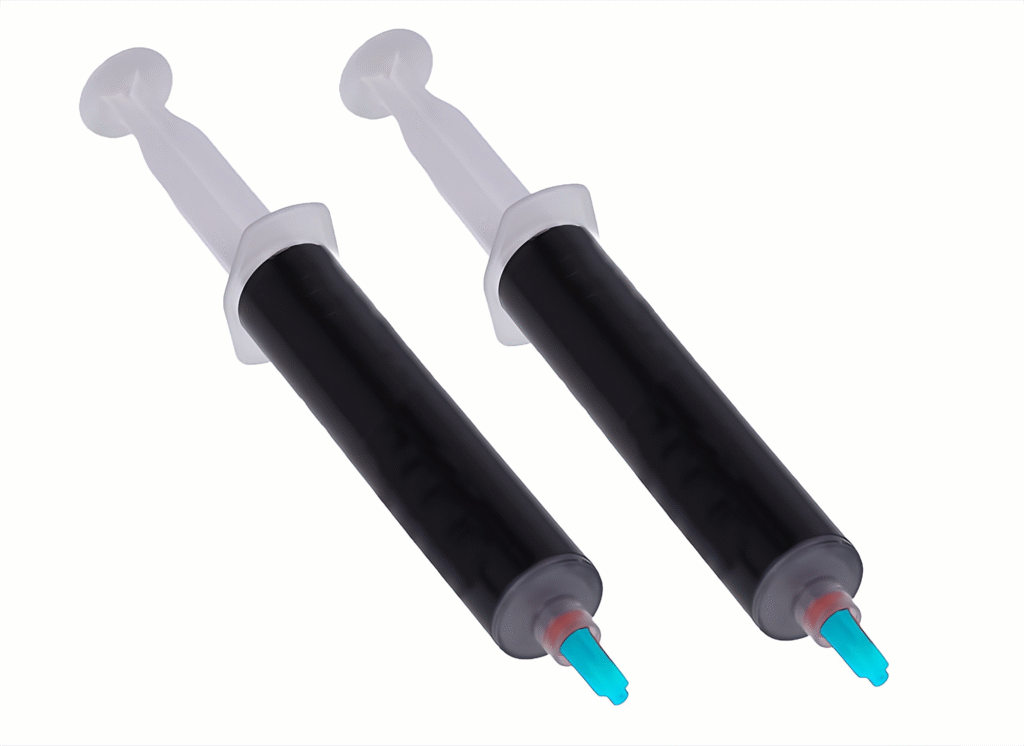
An RSO syringe is a plastic applicator filled with Rick Simpson Oil, a thick and highly concentrated cannabis extract.
Despite the name, it is not meant for injection. The syringe is simply a packaging and dispensing tool that allows you to release small, controlled amounts of oil without touching it directly.
Most RSO syringes have a removable cap and a plunger that pushes the oil out as you apply pressure, making it easier to measure portions, apply the oil to food or skin, and store it between uses.
How to Prepare an RSO Syringe for Use
RSO is naturally thick and sticky. At room temperature, it may be difficult to push out of the syringe without warming it slightly.
To prepare your syringe:
- Keep the cap on and warm the syringe gently by holding it in your hands for 30-60 seconds, or place it in warm (not hot) water for about 20-30 seconds.
- Remove the cap carefully once the oil softens.
- Hold the syringe upright when dispensing to avoid accidental over-pouring.
- Press the plunger slowly. RSO continues to move briefly after pressure is released.
Avoid overheating the syringe. High heat can degrade cannabinoids and terpenes and may cause the oil to leak uncontrollably.
How Much RSO Should You Use?
RSO is highly concentrated. Small amounts can produce strong effects, especially for new users.
General dosing principles:
- Start with a very small amount
- Increase slowly over time
- Allow enough time between doses to assess effects
- Individual tolerance varies widely
Many people start with an amount about the size of a grain of rice and split it into smaller portions taken throughout the day. Because RSO is already activated, its effects are typically stronger and longer-lasting than inhaled cannabis.
Waiting several hours between doses is important, especially when swallowing RSO, since the onset is slower than smoking or vaping.
Some people follow a gradual routine when using RSO over time. For a detailed dosing schedule and long-term approach, follow our RSO Protocol.
Ways to Use an RSO Syringe
RSO syringes can be used in several different ways depending on personal preference and goals.
Sublingual Use
Sublingual use involves placing RSO under the tongue and allowing it to absorb through the tissues of the mouth before swallowing.
To use RSO sublingually:
- Dispense a small amount under the tongue
- Hold it there for 30 to 90 seconds
- Swallow any remaining oil
This method allows cannabinoids to enter the bloodstream through the mouth’s membranes, which may lead to quicker onset compared to swallowing alone. Some people use this method when they want effects to begin sooner or prefer not to wait for digestion.
Because RSO has a strong, earthy taste and thick texture, holding it under the tongue may feel uncomfortable at first. Starting with very small amounts can make this easier to tolerate.
Swallowing with Food
Swallowing RSO with food is one of the most common methods because it helps mask the taste and makes dosing simpler for people who do not want to hold oil in their mouth.
RSO can be placed on or mixed into foods such as:
- Crackers
- Peanut butter
- Yogurt
- Nut spreads or soft foods
Fat-containing foods are often preferred because cannabinoids bind to fats, which may help with absorption. RSO should be added to foods after cooking rather than during high heat, as excessive heat can degrade cannabinoids and reduce potency.
When swallowed, RSO is processed through the digestive system. This means effects usually take longer to begin but may last longer compared to sublingual use.
Capsules

Capsules provide a way to take RSO without tasting it and help keep dosing consistent from day to day.
To use RSO with capsules:
- Dispense the desired amount of oil into an empty capsule
- Close the capsule carefully
- Swallow it like a pill
This method is often chosen by people who want a clean, routine dosing method and prefer not to handle sticky oil directly. Capsules also make it easier to prepare doses in advance for travel or daily schedules.
Because capsules rely entirely on digestion, onset may be slower than sublingual use. For this reason, careful spacing between doses is especially important.
Topical Use
Some people apply RSO directly to the skin for localized use rather than swallowing it.
To use RSO topically:
- Apply a small amount directly to the desired area
- Cover with a bandage if needed to keep it in place
Topical use is typically chosen for targeted application rather than full-body effects. When applied to the skin, RSO does not produce intoxicating effects because cannabinoids are not absorbed into the bloodstream in the same way as oral use.
This method is sometimes used alongside oral dosing rather than as a replacement for it.
How Long Does RSO Take to Work?
How quickly RSO takes effect depends on how it’s used.
When swallowed or mixed into food, effects usually take longer to appear because the oil must pass through the digestive system before entering the bloodstream. This can take anywhere from about 45 minutes to two hours.
When placed under the tongue, some of the oil may be absorbed through the tissues in the mouth, which can lead to a faster onset compared to swallowing alone.
Topical use works differently, since the oil is applied to the skin rather than absorbed into the bloodstream, and is typically used for localized effects rather than whole-body ones.
What Not to Do With an RSO Syringe
RSO syringes are designed for controlled, non-inhaled use. Using them incorrectly can lead to wasted product or unsafe outcomes.
Do Not Inject RSO
RSO syringes are not medical injection devices. They contain cannabis oil, not sterile injectable medication. Injecting RSO can cause serious harm and should never be attempted.
Do Not Smoke RSO
RSO is not formulated for combustion. It contains plant compounds and extraction residues that are not intended to be inhaled. Smoking RSO is harsh, inefficient, and wastes much of the oil’s cannabinoid content.
Do Not Dab RSO
Although it is technically possible to heat RSO like a concentrate, it is not refined for dabbing. Its thick, tar-like consistency and full-extract composition can burn unpleasantly and leave residue behind.
Do Not Rush Dosing
Because RSO is highly concentrated and slow to take effect when swallowed, taking additional doses too quickly can result in taking more than intended. Always allow sufficient time between doses before increasing.
Do Not Expose RSO to High Heat
Heating RSO excessively can degrade cannabinoids and cause it to flow uncontrollably from the syringe, making accurate dosing difficult.
Storage and Handling Tips
Proper storage and careful handling help preserve potency and prevent leaks or hardening.
- Store your RSO syringe in a cool, dark place away from direct sunlight.
- Keep the cap tightly secured when not in use to prevent drying and contamination.
- Avoid leaving the syringe in hot environments, such as a parked car or near heaters.
- Minimize unnecessary handling to prevent oil from warming and leaking out of the tip.
- Keep the syringe upright when possible to reduce pressure on the plunger.
Refrigeration is generally not required and may make the oil too stiff to dispense easily. Room temperature storage is usually sufficient unless otherwise recommended by the manufacturer.
Common Problems and How to Fix Them
Because RSO is thick and highly concentrated, users sometimes run into simple handling issues when dispensing it from a syringe.
RSO Is Too Thick to Dispense
RSO naturally thickens at cooler temperatures. Gently warm the syringe by holding it in your hands for 30-60 seconds or placing it in warm (not hot) water for a short time. This softens the oil and allows smoother dispensing.
Plunger Will Not Move
If the plunger feels stuck, do not force it. Allow the oil to warm first. Forcing the plunger can cause sudden release of too much oil.
Too Much Oil Comes Out at Once
RSO continues moving briefly after pressure is released. Press the plunger slowly and stop slightly before your intended dose. If excess oil is dispensed, it can be collected using food, a capsule, or a clean utensil.
Sticky Residue on Fingers or Syringe Tip
RSO is highly adhesive. Rubbing alcohol can be used to clean the tip of the syringe or hands safely. Always recap the syringe after use to prevent buildup.
Oil Leaking From the Tip During Storage
Make sure the cap is fully secured and store the syringe away from heat. Leakage usually occurs when the oil becomes too warm and thin.
Conclusion: How to Use RSO Syringes
Using an RSO syringe correctly comes down to a few essentials: handling the oil carefully, dispensing small amounts, and choosing a method of use that fits your routine.
Because RSO is dense and highly concentrated, small adjustments in how it’s prepared and taken can make a meaningful difference in comfort and consistency.
Not all products labeled as RSO are made or formulated the same way. For people who depend on accurate dosing and dependable quality, the source of the oil matters as much as the method of use.
RickSimpsonOil.com provides authentic RSO syringes designed for controlled use and consistent formulation, offering a dependable option for those who want to follow a structured approach over time.
How to Use RSO Syringes: Frequently Asked Questions
Here are some of the most common questions people have when using an RSO syringe for the first time.
Can you inject RSO from a syringe?
No, you should not inject RSO from a syringe. RSO syringes are not designed for injection and contain cannabis oil, not sterile injectable medication.
Can you smoke RSO from a syringe?
No, you should not smoke RSO from a syringe. RSO is not formulated for inhalation and smoking it can be harsh on the lungs and waste much of the oil.
Can you eat RSO straight from the syringe?
Yes, you can eat RSO straight from the syringe by dispensing a small amount into your mouth and swallowing it. Many people prefer to place it on food or in a capsule to make it easier to take.
Do RSO syringes need to be refrigerated?
No, RSO syringes do not need to be refrigerated. Storing an RSO syringe in a cool, dark place at room temperature is usually sufficient and makes it easier to dispense.