
Rick Simpson Oil (RSO) is a powerful, full-spectrum cannabis oil known for its therapeutic benefits. But while there are many different ways you can take RSO, smoking is not one that we recommend.
While it’s technically possible to smoke RSO, you shouldn’t do it because RSO contains solvents, plant lipids and waxes, chlorophyll, and other constituents that produce harsh, irritating smoke, an uneven burn, and reduced effectiveness.
Instead, RSO is better taken orally, applied topically, or used via a suppository, giving you access to the full plant without putting your lungs and overall health at risk.
In this guide, we break down why smoking RSO is a bad idea and discuss some safer, more effective ways to take it.
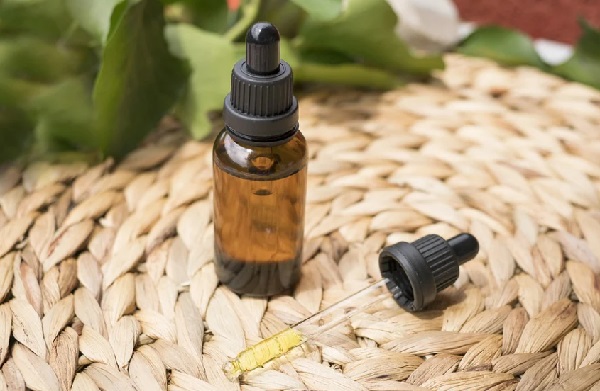
Can You Smoke RSO?
While you technically can smoke RSO, you really shouldn’t.
RSO is a thick, tar-like oil made using high-proof solvents like ethanol. If it’s not properly purged, traces of those solvents can linger. While safe to consume orally, these solvents can release irritating byproducts if they’re burned – not something you want in your lungs.
RSO also contains plant compounds like chlorophyll, lipids, and waxes, which give it a thick texture and bitter taste. When burned, these create acrid, heavy smoke that can be harsh on your system.
Even when properly made, RSO simply isn’t designed for combustion. It burns unevenly, hits hard and fast, and can feel very overwhelming, especially if you’re new to high-THC products.
To get the full benefit of this extract without the downside, stick with oral, topical, or suppository use. You’ll avoid the harsh burn and make the most of what RSO has to offer.
Reasons You Should Avoid Smoking RSO
There are several reasons you should avoid smoking RSO and opt for safer, more effective methods of getting the benefits:
- Overwhelming High: RSO is extremely potent. Smoking it can bring on a fast, intense high that feels disorienting – especially if you’re sensitive to THC or already in a vulnerable state.
- Harsh Burn & Taste: RSO is thick and sticky, not made for burning. It produces bitter, heavy smoke that’s rough on your throat and lungs.
- Risk of Contaminants: Some RSO is made with solvents like ethanol or isopropyl alcohol. If it hasn’t been fully purged, lighting it can release dangerous chemicals. That’s why it’s important to buy lab-tested RSO from a trusted source
- Respiratory Irritation: Inhaling RSO can lead to coughing, shortness of breath, and more serious irritation, especially risky for cancer patients or anyone with compromised health.
Stick to oral, topical, or suppository use to safely experience RSO’s full therapeutic benefits.
Can You Dab RSO?
You should not dab RSO. As with smoking, dabbing RSO can produce harsh, irritating smoke due to the plant lipids contained in this extract.
RSO is also made using strong solvents and some of them are still left in the final product, which can produce irritating smoke when burned.
Additionally, being a full-plant extract, RSO contains a high quantity of chlorophyll which burns unevenly, produces harsh smoke, and can ruin dabbing equipment.
Can You Vape RSO?
You should not vape RSO. Like smoking or dabbing, vaping RSO can irritate your throat and lungs because this extract contains leftover plant lipids and waxes that are not meant to be inhaled.
RSO is also very thick and unrefined, which means it does not work well in vape devices. Its sticky, tar-like consistency can clog cartridges, burn unevenly, and potentially ruin your equipment.
For both safety and effectiveness, RSO is better suited for direct ingestion, sublingual use, or topical application.
Better Ways to Consume RSO
If you’re serious about using RSO safely and effectively, how you take it makes all the difference. Here are the main RSO consumption methods:
- RSO Syringes: You’ll get the most control with a syringe. You can put a small amount under your tongue, swallow it, or mix it into food. Just be prepared – it’s sticky, strong-tasting, and easy to overdo. Start with a rice-sized dot and take it slow.
- RSO Tinctures: Tinctures are easier to handle. You just place a few drops under your tongue and let them absorb. They usually taste better than raw oil and aren’t as sticky. If you want fast effects without the hassle, this is a clean, straightforward option.
- RSO Edibles: If you’d rather not taste the oil at all, RSO edibles are a great choice. You can take a pre-dosed gummy or infused treat and wait for it to kick in – usually between 45 minutes to 2 hours. It’s a slower consumption method, but it’s easier and more discrete than some of the other options.
- RSO Capsules: Capsules make things simple. Just swallow one like any supplement. It’ll take about 60 to 90 minutes to start working. You won’t be able to adjust your dose as precisely, but if you want a no-fuss routine, capsules are a great option.
- RSO Suppositories: If you need strong relief without the mental fog, suppositories can help. You insert them rectally or vaginally, and they start working in about 15 to 30 minutes. Because suppositories bypass your digestive system, the effects are deeply physical without making you feel high.
Conclusion: Don’t Smoke RSO, Take It Another Way
While it may be technically possible to smoke, dab, or vape RSO, it’s not what this extract was designed for, and it comes with unnecessary risks. RSO’s thick, unrefined consistency, and residual plant compounds and potential solvents, makes inhalation harsh, inefficient, and potentially unsafe.
RSO is most beneficial when you use it as intended: orally, sublingually, topically, or as a suppository, where its full-spectrum properties can be absorbed effectively and last longer in your body.
Choosing the consumption right method not only improves results but also helps you avoid irritation, wasted product, and unwanted side effects.
Can You Smoke RSO: Frequently Asked Questions
Here are some questions our customers frequently ask us about smoking RSO.
Can You Put RSO In A Joint?
You should not put RSO in a joint. Although some people do it, RSO is not made for smoking and can produce harsh, irritating smoke because it contains plant lipids, waxes, chlorophyll, and other compounds that do not burn cleanly.
Can You Put RSO In A Blunt?
It’s not generally recommended to add RSO to blunts. Like smoking it in a joint, burning RSO in a blunt can create a harsh experience and may expose you to irritating byproducts from leftover solvents and full-plant compounds.
Can You Smoke RSO In A Cart?
We don’t recommend smoking or vape RSO in a cart. RSO is too thick and unrefined for vape cartridges, and its tar-like consistency can clog the device, burn unevenly, and potentially ruin your cart.
Can You Smoke Or Dab RSO In A Puffco?
You should not smoke or dab RSO in a Puffco. RSO is not intended for dabbing, and because it contains plant lipids, chlorophyll, and other full-plant material, it can create harsh vapor, burn poorly, and leave behind residue that affects your device’s performance.
Can You Smoke RSO With Flower?
No; RSO is best left out of flower. Even when mixed with flower, RSO still is not designed for combustion and can create harsh, heavy smoke while reducing the overall quality of the experience.
Can You Smoke RSO In A Bowl?
We don’t recommend adding RSO to your bowls. While it may seem like an easy way to use it, RSO burns unevenly and can produce harsh smoke due to its thick texture and leftover plant compounds.
Can You Smoke RSO Like Wax?
You should not smoke RSO like wax. Unlike concentrates made specifically for inhalation, RSO is a full-plant extract that contains chlorophyll, lipids, waxes, and possibly trace solvents, which makes it much harsher and less suitable for smoking or dabbing.


