When you’re in pain, you’re willing to try almost anything that might help, and cannabis can seem promising until you realize how inconsistent different strains can be.
One batch makes the pain feel more manageable, and the next barely helps at all. That kind of unpredictability is exhausting when you’re already worn down.
That’s why it’s helpful to know what are the best cannabis strains for pain relief.
Here, we break down the strains people often turn to for different kinds of pain, from sharp nerve discomfort to deep joint aches and symptoms that make it hard to sleep.

A Quick Look at the Best Cannabis Strains for Pain
| Strain | Why People Use It for Pain | Best For |
| Northern Lights | Slower, heavier onset that loosens tight muscles and helps the body relax. | Nighttime pain, nerve discomfort, end-of-day soreness |
| Granddaddy Purple | Body-heavy relief that reduces aches and supports rest. | Pain with tension, stress, or trouble sleeping |
| Blue Dream | A light functional buzz with full-body comfort; helps reduce tension without sedation. | Daytime pain, inflammatory discomfort |
| Bubba Kush | Warm, calming onset useful when the body feels tight or overstimulated. | Muscle discomfort, stress-related tightness, evening use |
| Harlequin | CBD-forward relief that feels clear and balanced without mental fogginess. | Inflammation, joint pain, daytime relief |
| Sour Diesel | Clearer, energizing effects that reduce discomfort while keeping you functional. | Migraine-related discomfort, daytime pain |
| Critical Mass | Calming, physically relaxing profile for widespread or recurring discomfort. | Shoulder, back, joint pain; inflammation |
| Ice Cream Cake | Heavier relaxation that helps relax the body enough to rest. | Nighttime pain, muscle spasms, severe tension |
| Blackberry Kush | Deep, calming relief helpful for long-term or high-tension discomfort. | Chronic pain, sleep-disrupting symptoms |
| ACDC | High-CBD, low-intoxication support that feels stable and manageable. | Autoimmune-related pain, inflammation, joint discomfort |
| OG Kush | Balanced mix of relaxation and mental ease for unpredictable flare-ups. | Tension-based pain, ongoing soreness |
Northern Lights
Northern Lights is one of the strains people reach for when pain makes it difficult to rest. Its slower, heavier onset helps loosen tight muscles and settle the body, which can be especially helpful for nerve pain or end-of-day soreness. Many patients use it at night because it supports deep, long-lasting relaxation.
Granddaddy Purple
Granddaddy Purple is commonly used when pain is paired with tension, stress, or trouble sleeping. Its body-heavy feel can make persistent aches feel less sharp, helping the body finally relax after a long day. People often choose it when they need something balanced without fast, overwhelming effects.
Blue Dream
Blue Dream is a daytime option for some patients because it offers a gentle, uplifting effect alongside broad, full-body comfort. Many say it reduces ongoing tension or inflammatory pain while still allowing them to function, making it a go-to for people who can’t afford to feel heavily sedated.
Bubba Kush
Bubba Kush is often chosen for deep muscle discomfort, stress-related tightness, or pain that makes winding down nearly impossible. Its warm, gradual onset can help calm the body, which is why people frequently use it in the evening or during flare-ups when the discomfort gets out of hand.
Harlequin
Harlequin’s CBD-forward profile makes it a gentler choice for inflammation, joint pain, and daytime use. Many patients describe the relief as mild and functional, enough support to stay comfortable without feeling mentally slowed or foggy. It’s often used by those who want a more balanced approach to pain.
Sour Diesel
Sour Diesel has been known to provide migraine support or used for daytime pain because of its more energizing effects. People who still need to stay functional sometimes choose it for its ability to reduce discomfort without the heavy, sinking feel of nighttime strains.
Critical Mass
Critical Mass is frequently used when pain spreads across the body or occurs in the shoulders, back, or joints. Its calming, physically soothing profile makes it helpful for evening routines or recovery days, especially when inflammation or muscle tightness keeps returning.
Ice Cream Cake
Ice Cream Cake tends to feel heavier and more calming, which makes it a common choice for nighttime pain, muscle spasms, or severe tension. Patients often say it helps soothe the body enough to rest, especially on days when pain refuses to settle on its own.
Blackberry Kush
Blackberry Kush delivers a deep, calming body feel that many describe as helpful for chronic or long-term pain. Its slower onset can make high-tension discomfort feel more manageable, particularly for people whose symptoms worsen at night or interfere with sleep.
ACDC
ACDC is a high-CBD strain commonly used by patients who want inflammation support without intoxication. The relief is subtle and balanced, making it useful for joint pain, autoimmune-related discomfort, and daytime symptoms where you want to feel alert.
OG Kush
OG Kush often is commonly used for chronic pain because of its balanced mix of body relaxation and mental ease. Patients use it for tension-based discomfort, chronic soreness, and stress-related pain, especially when symptoms flare unpredictably.
How Cannabis Can Help with Pain
Cannabis may help with pain because its cannabinoids, mainly THC and CBD, interact with the same system your body uses to regulate pain, inflammation, sleep, and stress.
For many people, this means cannabis can dial down the nerve pain, loosen tight or overworked muscles, and make chronic inflammation feel more manageable.
Terpenes also play a big role in the experience. Earthier profiles (like myrcene, beta-caryophyllene, or linalool) often feel more soothing, especially when pain shows up as tension or trouble winding down.
You’re not looking for a strong high. You’re looking for a way for your body to finally relax so the pain isn’t in charge all day.
Best Terpenes for Pain Relief
Pain relief often comes down to the terpene profile, not the strain name.
Caryophyllene
Caryophyllene is one of the most physically soothing terpenes, often chosen by people dealing with inflammation-related pain. It interacts with the body’s CB2 receptors, which may explain why many patients say it helps relieve deep joint aches and muscle tension.
Myrcene
Myrcene shows up in many strains people turn to for nighttime pain. Its heavier, relaxing profile can help the body slow down, settle tight muscles, and get comfortable enough to rest, especially on nights when pain makes it hard to wind down.
Linalool
Linalool has a naturally calming effect and is often used when pain comes with stress, tension, or trouble sleeping. Many patients reach for linalool-rich strains because they tend to feel smoother and more relaxing during flare-ups.
Humulene
Humulene offers a calm, body-focused relief without being overly sedating. People dealing with chronic inflammation or persistent soreness often find humulene-heavy strains beneficial because they help reduce that deep, achy pressure.
Pinene
Pinene offers a brighter, more uplifting kind of relief that many people reach for when they need daytime relief. While not as deeply relaxing as myrcene or linalool, pinene can help reduce discomfort without mental fogginess. This is helpful for patients who need pain relief while staying alert and functional.
How to Choose the Right Cannabis Strain for You
Choosing a strain for pain starts with understanding your symptoms. Pain responds differently to different cannabinoid profiles, so matching the product to the type of discomfort you feel will do far more than relying on strain names or indica–sativa labels.
- Start Small: CBD-rich or balanced THC:CBD strains often feel more manageable for inflammation, joint pain, and daytime symptoms because they support relief without overwhelming you.
- Use THC Carefully: THC can help provide relief for deep tension and nerve discomfort, but too much at once can make the body feel jumpy or overstimulated. Very small amounts often work better than large doses.
- Pay Attention to Terpenes: Earthy or relaxing terpenes (like myrcene, caryophyllene, or linalool) can help with tightness, soreness, or trouble resting. Brighter, energizing terpene profiles are usually better reserved for daytime use.
- Choose Slower Delivery Methods: If fast onsets feel too intense, tinctures, oils, or low-dose edibles often provide more long-lasting support than smoking or vaping.
- Track What Provides Relief: Write down the CBD:THC ratio, terpene profile, dose, and how your body responded.
Best Alternatives If Strains Aren’t Working: Why Many Patients Use RSO
For many people living with chronic pain, strains only work for so long. Effects and potencies vary from batch to batch and the same strain name doesn’t always deliver the same relief. When pain is daily or severe, that inconsistency becomes exhausting.
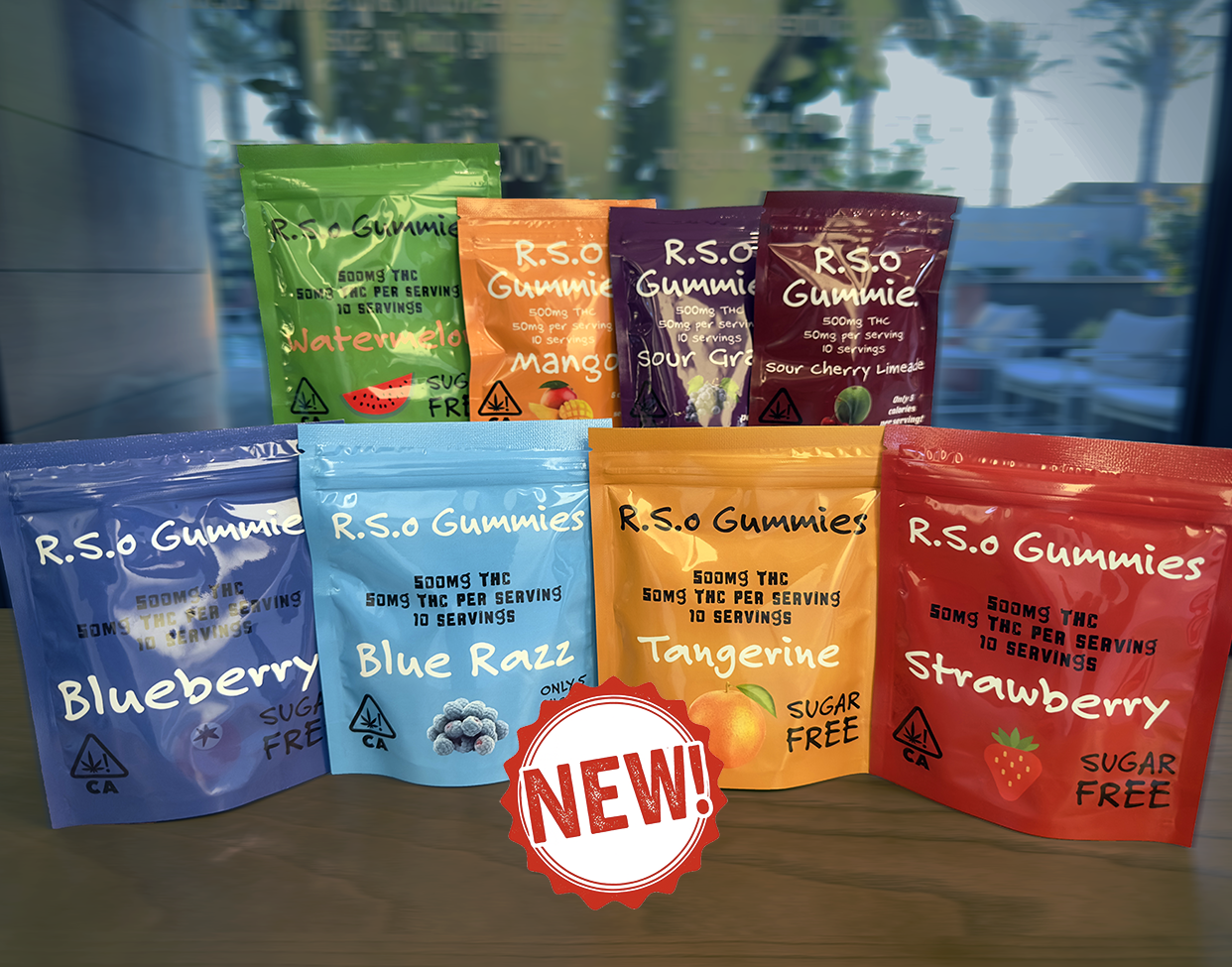
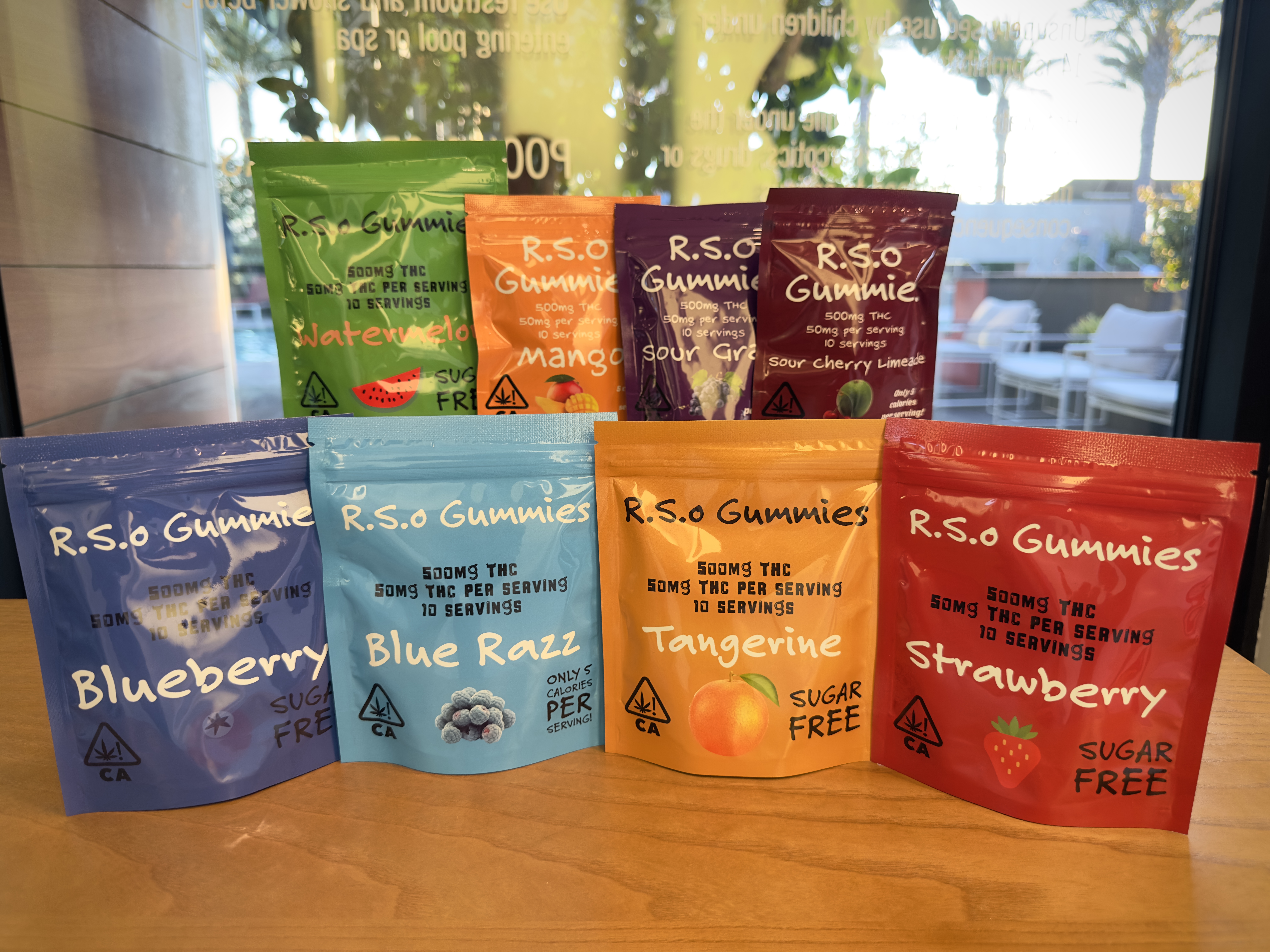
Rick Simpson Oil (RSO) offers stability when flower doesn’t. Instead of relying on whatever strain is available, you get a full-spectrum oil with verified potency and the same cannabinoid profile every time. That consistency is why so many pain patients turn to RSO when strain hunting stops being helpful.
RSO also allows for very precise dosing. Many people take small daytime amounts for pain relief, then increase slightly at night when the discomfort is harder to manage. The slower onset and longer duration can make relief feel more even, especially for nerve pain, inflammation, and pain that disrupts sleep.
Conclusion: What Are the Best Cannabis Strains for Pain?
Pain can make your days feel overwhelming, and the truth is no single strain can fix that on its own.
What people tend to find most helpful are strains that calm the body, ease tension, and make rest possible, whether that’s a CBD-rich option for inflammation or a heavier strain that finally lets your muscles unwind.
But when the relief changes from one batch to the next, it’s easy to feel like you’re starting over. That’s why so many chronic pain patients use RSO. Its full-spectrum profile gives you more balanced support and longer-lasting comfort without all the trial and error.
At the end of the day, the best strain is the one that helps you take back a little more of your life. For many, RSO becomes the tool that makes that possible. It’s reliable, consistent, and strong enough to provide relief when nothing else lasts.
If you’re ready for support that doesn’t change from batch to batch, you can explore lab-tested, full-spectrum RSO directly at RickSimpsonOil.com.
Best Cannabis Strains for Pain: Frequently Asked Questions
Here are answers to the most common questions people have about using cannabis for pain relief.
What Is the Best Cannabis for Sleep and Pain?
Strains with heavier, slow-onset terpene profiles, like Granddaddy Purple, Bubba Kush, or Purple Kush, are commonly used at night because they help the body settle and make pain less disruptive. Even then, the smallest effective amount usually feels best.
What Is the Best Strain for Inflammation?
Many people reach for CBD-rich or balanced strains such as ACDC, Harlequin, or Sour Tsunami, as their cannabinoid profiles tend to feel more manageable and more supportive for inflammation-related pain.
Which Cannabinoid Is Best for Joint Pain?
CBD is often preferred for joint pain because of its inflammation-calming effects, while small amounts of THC can enhance relief when symptoms are more intense.
Is Indica, Hybrid, or Sativa Better for Pain?
Labels matter far less than the cannabinoid and terpene profile. People typically do best with strains that offer calming, balanced effects, whether they’re indica, sativa, or hybrid.
Is Cannabis Good for Severe Pain?
Some people with severe pain find meaningful relief with high-potency, full-spectrum products, especially when dosed carefully. Many turn to RSO for consistent, longer-lasting support without relying on strain variability.