When you’re not sleeping, everything feels heavier. Nights stretch on, mornings feel harder, and your body never gets the chance to fully reset.
Many people turn to cannabis hoping it will finally help them rest, only to discover that the wrong strain can do the opposite: speed up the mind, interrupt sleep cycles, or make nighttime anxiety worse.
Finding a strain that actually helps means understanding how cannabinoids and terpenes affect sleep, why some strains feel calming while others feel stimulating, and why dosing matters more than anything else.
Whether you’re new to cannabis or have already tried multiple strains with mixed results, this guide breaks down the strains people most commonly use for sleep and how much to take so you can ease into sleep instead of fighting through it.
A Quick Look at the Best Cannabis Strains for Sleep
| Category | Strains People Commonly Use | |
| Classic Strains | Grandaddy Purple, Northern Lights, Purple Kush, Bubba Kush, Grape Ape, Blueberry, Hindu Kush | Slow, deep effects that make evenings feel calmer and make getting sleep easier |
| CBD or Balanced Strains | ACDC, Harlequin, Cannatonic, Charlotte’s Web | Calmer nighttime experience when THC feels unpredictable or overwhelming |
| Stronger, Sedating Strains | 9lb Hammer, Purple Punch, Oreoz, God’s Gift | Stronger body relaxation for difficult nights and repeated waking |
Can Cannabis Help You Sleep?
Cannabis can make it easier to fall asleep, but only under the right conditions. Small amounts of THC often feel heavier on the body. CBD may help reduce the discomfort that keeps you awake. For some people, that combination is enough to finally settle at night.
But cannabis can also make sleep harder if the strain is too stimulating or the dose is too strong. Higher-THC flower, energizing terpenes, or fast-acting effects sometimes leave people feeling more alert than sleepy.
The difference comes from the cannabinoid and terpenes found in the flower, not just the strain name. Earthier terpenes tend to feel more relaxing, while brighter, energetic terpenes can feel mentally active. That’s why two indicas can feel completely different.
So yes, cannabis can help people sleep, but it depends on choosing sleep-supporting strains, gradually building up the dose, and, ultimately, listening to how your body reacts to a particular strain.
Best Cannabis Strains for Sleep (Classics)
Some strains have built their reputation on evening use. The effects are heavier, slower, and more body-focused, all qualities that many people associate with winding down at the end of the day.
These classic strains show up again and again among people who turn to cannabis when nights start getting longer and sleep feels out of reach.
Grandaddy Purple
Often used at night for its slow, heavy feel. Many say it helps things settle down in the evening, especially when the mind still feels wired from the day.
Northern Lights
Well-known as a gentle, full-body experience. People often reach for Northern Lights when restlessness or physical tension makes it harder to get comfortable before bed.
Purple Kush
A heavier option many rely on when they want to fully wind down. Often used later in the evening on nights when staying alert is the last thing you need.
Bubba Kush
Warm, slow, and calming. Many say it relaxes the body first, which can make it easier to finally settle in before trying to sleep.
Grape Ape
Often chosen because it settles in slowly. Many reach for it on nights when they want something soothing without feeling mentally overwhelmed.
Blueberry
A classic that often feels mellow and comforting. Many turn to Blueberry for its slower pace, especially when they want to ease into bed without feeling overstimulated.
Hindu Kush
Often used on nights when the mind feels restless or overstimulated. Many describe a slow onset with heavier body relaxation that makes it easier to wind down.
Best CBD or Balanced Strains for Sleep
CBD-rich or balanced strains matter at night when THC feels unpredictable or overly stimulating. These options offer a calmer experience, making it easier for the body to unwind without the intensity that sometimes comes with high-THC flower.
ACDC
A gentle option with very low THC. Many people use ACDC in the evening because it helps them relax physically without a noticeable high.
Harlequin
Known for its balanced profile. Harlequin tends to feel comforting without the mental fogginess, which is helpful on nights when tension or restlessness make it hard to sleep.
Cannatonic
Often used at night for its calming feel. Many say it helps the body relax and eases nighttime discomfort without leaving them groggy the next morning.
Charlotte’s Web
A gentle CBD-forward option originally developed for medical use. Many rely on it when they want a calmer nighttime routine with little or no intoxication.
Strongest Sedating Strains
These strains are often described as deeply relaxing and may feel more at ease on difficult nights, especially when used in very small amounts.
9lb Hammer
A slow, heavy strain people reach for when nothing else seems to help. Known for strong body relaxation that may make settling into sleep feel more natural. Best reserved for evenings.
Purple Punch
Often chosen for its warm, mellow effect that helps reduce physical tension. Some people use Purple Punch at the end of the night when sleep feels out of reach.
Oreoz
A long-lasting option some rely on when waking up repeatedly through the night is the main issue. It tends to feel balanced and manageable as it takes effect.
God’s Gift
Frequently used for mood-related or stress-related sleeplessness. Many describe a peaceful, gradual onset of effects that makes winding down easier.
What Makes a Strain Good for Sleep?
Most cannabis strains include dozens of cannabinoids, but a few tend to be better at promoting sleep than others.
The balance between them, especially THC, CBD, and CBN, usually determines whether a strain feels calming or overly stimulating.
THC
It’s linked with the heavier, body-centered effects that help people fall asleep faster. Larger amounts aren’t necessary. Smaller doses can feel more effective, especially in the evening.
CBD
It supports sleep indirectly by helping reduce anxiety, pain, or physical discomfort that keeps many people awake. When CBD is balanced with THC, the overall effect usually feels easier to tolerate.
CBN
A cannabinoid that forms as THC ages and is frequently included in sleep-labeled products. People often describe it as drowsy or heavier than CBD, although research is still early.
Best Terpenes for Sleep Relief
Terpenes shape how a strain actually feels in the body, which is why two indica products can create completely different experiences.
Some terpenes are commonly associated with deeper, more relaxing nighttime effects, especially when paired with THC or balanced cannabinoid profiles.
Myrcene
This terpene is often linked with that slower, weighted sensation many people look for at bedtime. Myrcene-heavy strains are usually the ones that feel physically relaxing rather than mentally alert.
Linalool
Found in lavender, linalool is frequently associated with a calmer state of mind. People who carry tension in the shoulders or chest often tend to choose strains rich in linalool.
Caryophyllene
A pepper-forward terpene that many people describe as physically soothing. It shows up in lots of nighttime strains, and some say it helps the body feel more at ease before bed.
Indica vs. Sativa: Does It Matter for Sleep?
Most people still think of indica as nighttime and sativa as daytime, and sometimes that’s true, but it’s not the whole picture.
A strain’s terpene and cannabinoid profile usually matters more than the name printed on the label.
Indica strains are still more commonly used for sleep because they tend to include calming terpenes like myrcene, linalool, and caryophyllene.
But some hybrids can feel just as relaxing, depending on its cannabinoids and terpenes.
Instead of choosing only by indica or sativa, it often helps to look at:
- THC levels (lower isn’t always weaker, just calmer for some people)
- CBD or balanced ratios
- Sedating terpenes
If something has helped you sleep before, it’s probably because of those factors, not the strain name.
How to Choose a Strain for Your Sleep Goals
The best strain for sleep often depends on what’s keeping you awake. Some people struggle with falling asleep, others wake repeatedly, and many deal with pain or anxiety tied to cancer treatment. Matching the strain to the problem usually leads to a more predictable experience.
If falling asleep is the issue, drowsier indica strains with myrcene or linalool tend to create a slower onset that eases the body first. For staying asleep, balanced options, tinctures, or full-spectrum products with longer-lasting effects often feel more effective through the night.
If anxiety or pain are part of the picture, CBD-rich or balanced strains may help calm you down without causing fast, overwhelming effects.
When dealing with symptoms of cancer or its treatment, many people prefer full-spectrum oils like RSO because they provide a controlled dose and consistent nighttime support.
How to Use Cannabis for Sleep
How you use cannabis determines how effective it is. Fast-acting products help people fall asleep, while slower, longer-lasting options tend to help you stay asleep through the night.
Smoking and vaping are fast acting and usually work best when the issue is getting to sleep in the first place. A few small inhales can relax the body within minutes, but the effects also fade sooner.
Edibles, oils, and tinctures take longer to kick in but last much longer. Many people who wake through the night prefer these because they provide longer-lasting support. Taken 30–60 minutes before bed, they can help the body slow down gradually instead of all at once.
If you’re new to cannabis, start with the lowest possible dose. It’s easier to increase slowly over several nights than to take too much at once and feel groggy, anxious, or overstimulated at bedtime.
What About RSO for Sleep?
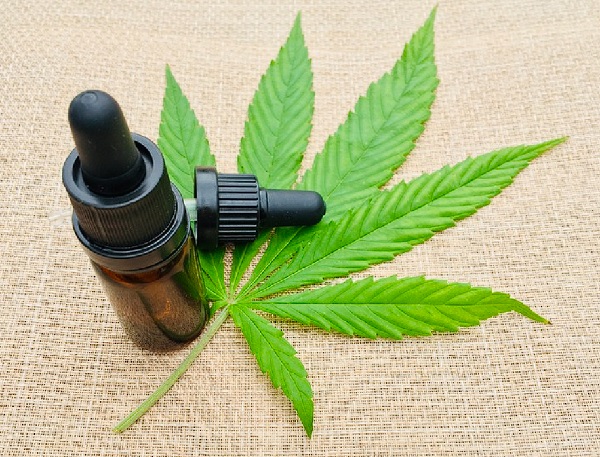
Rick Simpson Oil (RSO) is full-spectrum cannabis in its most concentrated form, which is one reason people with serious health conditions, especially cancer, use it instead of guessing from strain to strain.
Because RSO contains the entire range of cannabinoids and terpenes from the plant (not just isolated THC), many people find it longer-lasting and more effective than smoked flower.
For sleep, that usually means a gradual onset and extended support throughout the night rather than a quick spike of THC that wears off too soon.
People who wake repeatedly are often the ones who notice the most difference, since RSO tends to stay active for several hours.
RSO is far stronger than traditional flower or gummies, so micro-dosing (grain-of-rice-sized amounts) gives most people the calming, body-heavy effect they’re looking for without overshooting their tolerance.
Potential Side Effects
Cannabis doesn’t affect everyone the same way, especially at nighttime doses. Some people fall asleep easily, while others may notice the opposite if the product is too strong or taken too late.
Common side effects include dry mouth, morning grogginess, dizziness, or increased appetite. Higher-THC products can occasionally cause anxious or uncomfortable sensations, especially in larger amounts or in people who are sensitive to THC.
If someone has ever felt restless, wide awake, or mentally overstimulated after using cannabis, it was usually a dose that was too high or a strain with a quicker onset than their body could handle.
Conclusion: What Are the Best Cannabis Strains for Sleep?
The strains that help most at night tend to have heavier and relaxing effects and are richer in calming terpenes. Classic indicas are still common choices, while balanced or CBD-rich options often feel more manageable for people dealing with pain, stress, or nighttime anxiety.
In the end, the right fit usually comes from going slower, choosing more relaxing strains, and paying attention to how your body responds, not the strain name.
For people managing cancer, serious illness, or ongoing sleep disruption, RSO offers something different: full-spectrum support, a gradual onset, and longer relief through the night.
Instead of guessing from strain to strain, verified RSO from RickSimpsonOil.com provides a more consistent nighttime option when sleeping through the night seems out of reach.
Best Cannabis Strains for Sleep: Frequently Asked Questions
Here are answers to the most common questions people have when turning to cannabis as a nighttime option.
What Are the Best Cannabis Strains for Sleep and Pain?
Indicas like Northern Lights or Bubba Kush are often chosen when pain keeps you awake. CBD-rich strains may help when pain and tension show up together.
What Are the Best Cannabinoids for Sleep?
THC helps many people fall asleep, while CBD can help with anxiety, inflammation, and pain that make getting sleep harder. CBN is also known for its more sleep-inducing properties.
What Are the Best THC Strains for Sleep?
Grandaddy Purple, Purple Kush, and Northern Lights are common choices because they help make the body feel more comfortable and slow down the mind at night.
What Are the Best CBD Strains for Insomnia?
ACDC, Harlequin, and Cannatonic are frequently used when THC feels unpredictable or too stimulating at bedtime.
What Are the Best Weed Strains for Sleep and Anxiety?
Indica-dominant or balanced strains with myrcene or linalool, such as Purple Punch or Harlequin, are often chosen for more relaxed evenings.
Is Cannabis Safe to Take Every Night?
Some people do, but tolerance can increase over time. Starting small and taking tolerance breaks tends to make nighttime use feel more effective.
How Much Cannabis Should I Take Before Bed?
Start small. A few milligrams or a single small inhale is usually enough. Too much can keep you awake instead of helping.
When Should I Take Cannabis for Sleep?
About 30-60 minutes before bed for oils and edibles. Smoking or vaping works faster but wears off sooner.
Will I Feel High the Next Morning?
Possibly with larger nighttime doses, especially edibles or RSO. Smaller amounts usually wear off by morning.